Potential Threat to Space Infrastructure: How a Possible Nuclear Satellite Launch Could Impact Navigation and Communications
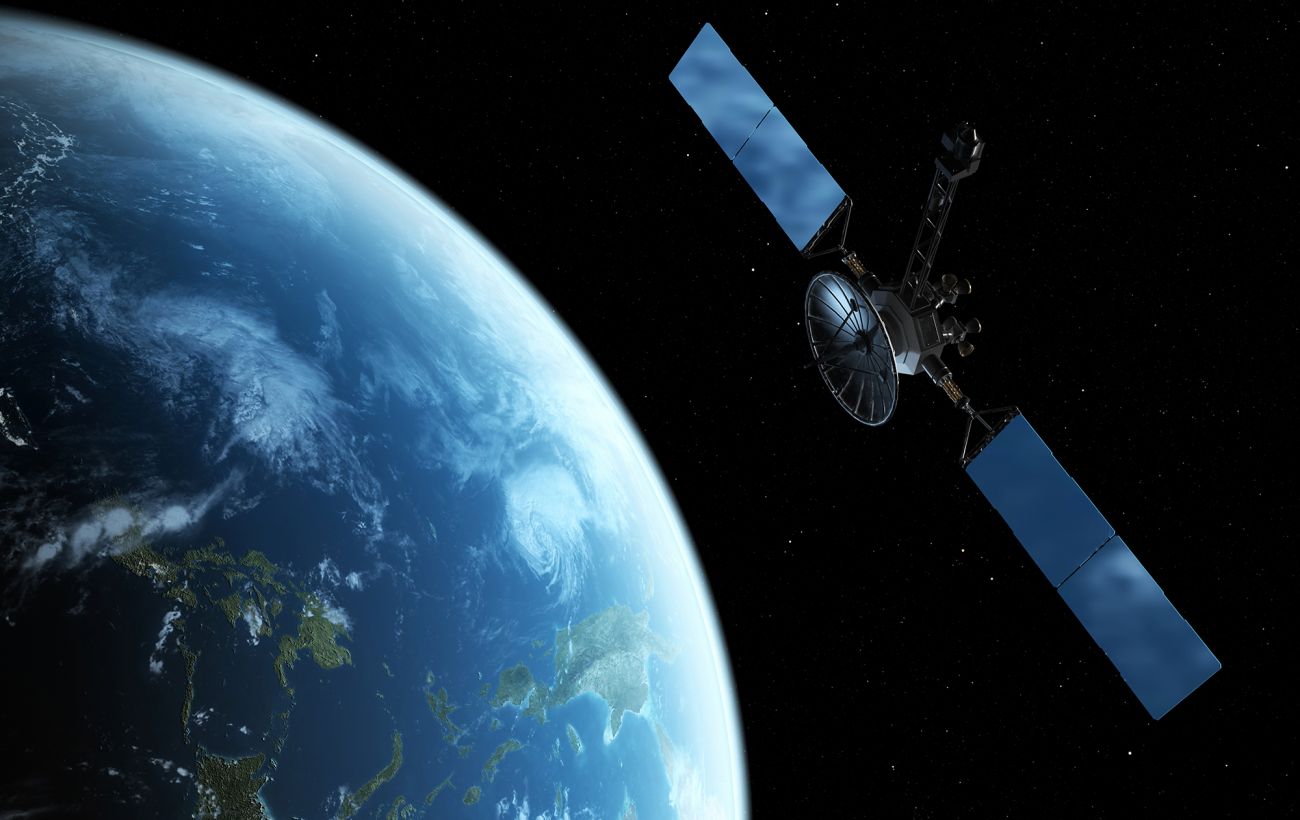
According to Western intelligence, Russia could launch a satellite with a nuclear payload into orbit within two months. A space detonation risks disabling GPS, telecommunications, and financial systems.
 🏙️City
Photo: RBC-Ukraine
Key points
- Western intelligence warns of a potential satellite launch carrying a nuclear payload within 60 days.
- An orbital detonation threatens global GPS, communication networks, energy grids, and banking systems.
- For Chornomorsk, satellite disruptions pose operational risks to maritime navigation and municipal communications.
According to Western intelligence reports published by the German outlet Tagesschau, Russia is considering placing a space vehicle equipped with a nuclear warhead into Earth orbit. The launch of the device, codenamed "Sputnik-S," could occur within the next 60 days. Intelligence sources indicate that the hardware has been stored at facilities near Moscow for several years.
Potential Consequences for Civilian Infrastructure
US military intelligence highlights that if such a weapon is deployed in orbit, effective countermeasures would be extremely limited. An orbital explosion could disable a vast number of satellites that power critical civilian infrastructure. Global positioning systems (GPS), satellite communications, digital banking networks, and power grids could face severe disruptions.
The German Bundeswehr has alerted national leadership regarding these emerging risks, while official Russian representatives deny the allegations. Simultaneously, Germany is finalizing negotiations to acquire two infrared monitoring satellites designed to detect ballistic missile launches by 2030.
Implications for the Chornomorsk Community
For the residents and port operations of Chornomorsk, stable satellite connectivity and precise GPS signals are vital. Maritime logistics, vessel traffic management in the Black Sea, financial transactions, and emergency service dispatch heavily rely on space-based technology. Potential systemic disruptions in satellite networks would necessitate reliance on alternative communication channels and heightened readiness across municipal utilities.
Source RBC-Ukraine — rbc.ua/ukr/news/rosiya-mozhe-zapustiti-suputnik-iz-dernoyu-17954235… ↗
Read next
 🛡️Security
Power Grid Under Attack: Odesa and Dnipropetrovsk Regions Bear the Heaviest Consequences
Over the past week, Russia launched one hundred targeted attacks on Ukraine's energy sector, resulting in severe supply issues in the Odesa and Dnipropetrovsk regions.
 🛡️Security
Russian Attack on Lozova in Kharkiv Region Leaves Three Injured
Russian forces carried out a strike on the town of Lozova in the Kharkiv region, injuring three civilians. The attack caused fires in a residential apartment and several …
 🚌Transport
Ground Robotic Systems: Can They Replace Armored Vehicles on the Frontline
Experts and Ukrainian ground drone manufacturers evaluate the prospects of replacing armored vehicles with robots amid military technology developments.
 🚌Transport
Russian Submarines Put to Sea for the First Time in Six Months to Launch Kalibr Missiles
During a recent combined strike on Ukraine, Russian naval forces deployed Black Sea Fleet submarines that left their Novorossiysk base for the first time in half a year.
 🛡️Security
Rescuers Save Elderly Woman from Rubble 22 Hours After Attack in Dymar, Kyiv Region
SES personnel rescued an elderly woman who spent 22 hours under concrete slabs of a destroyed five-story residential building.
 🚌Transport
Major Hotel Fire in Romanian Resort Triggers Evacuation of 150 People
A serious fire broke out at the Alpin Hotel in the Romanian resort area of Poiana Brașov, destroying the roof and top floors. No injuries were reported, though firefighte…