The Formation of an Autocratic Geopolitical Alliance: A Threat to Global Stability
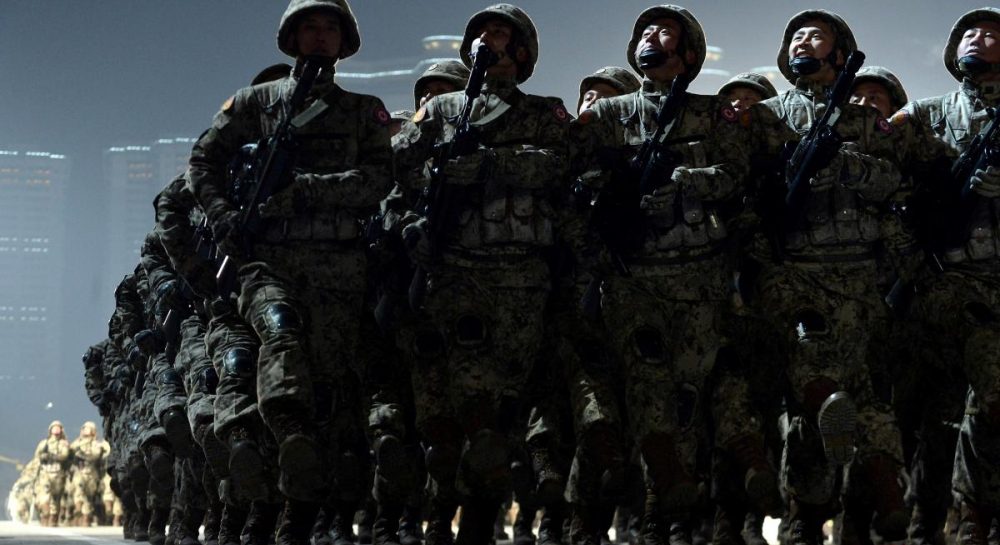
The Economist reports on the deepening cooperation between Russia, China, Iran, and North Korea, posing significant challenges to global security.
 💼Economy
Photo: UNIAN
Key points
- Deepening military-technical cooperation between Russia, China, Iran, and North Korea
- Lack of unified command despite high levels of coordination
- Difficulty in containing the bloc due to divergent Western interests
A New Level of Interaction Between Authoritarian Regimes
Analysts at The Economist state that Russia, China, Iran, and North Korea are moving toward more coordinated actions, forming a mutual support network. This cooperation includes the exchange of military technology, intelligence, and joint efforts to minimize the impact of Western sanctions.
Although this alliance lacks a structure similar to NATO, with a unified command or collective defense obligations, the intensity of their interaction is increasing. According to FDD data, more than 600 instances of security cooperation were recorded between 2019 and 2025, with dynamics significantly intensifying following the full-scale Russian invasion of Ukraine.
Challenges to the World Order
Experts note that despite differences in economic interests—such as oil pricing and stability in the Middle East—these countries are becoming increasingly dangerous due to mutual support. The West currently lacks a unified strategy to effectively contain this bloc, creating room for further escalation.
The situation is complicated by internal political debates in the US and shifting approaches to international engagement, forcing the global community to rethink security architecture in a new reality.
Source UNIAN — unian.ua/world/rosiya-knr-iran-ta-pivnichna-koreya-stvorili-neforma… ↗
Read next
 🏙️City
Strengthening Air Defense: Ukraine Prepares to Counter Jet-Powered Drones
President Volodymyr Zelenskyy announced the expansion of Ukraine's air fleet and the deployment of new countermeasures against jet-powered drones.
 ⚽Sport
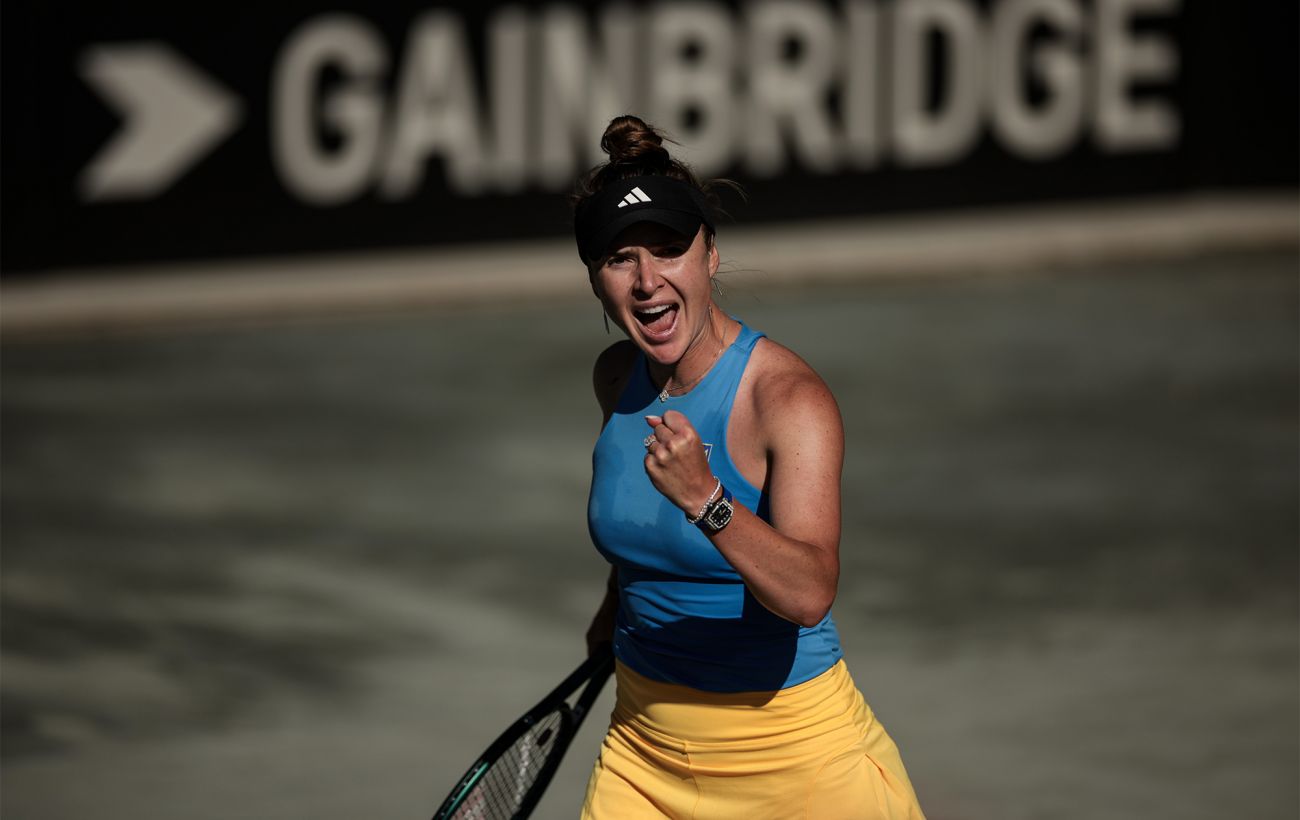
Elina Svitolina explains her reaction to the Russian tennis player's greeting at WTA Finals
The Ukrainian tennis star clarified why she ignored the greeting from the Russian player during the award ceremony.
 👥Society
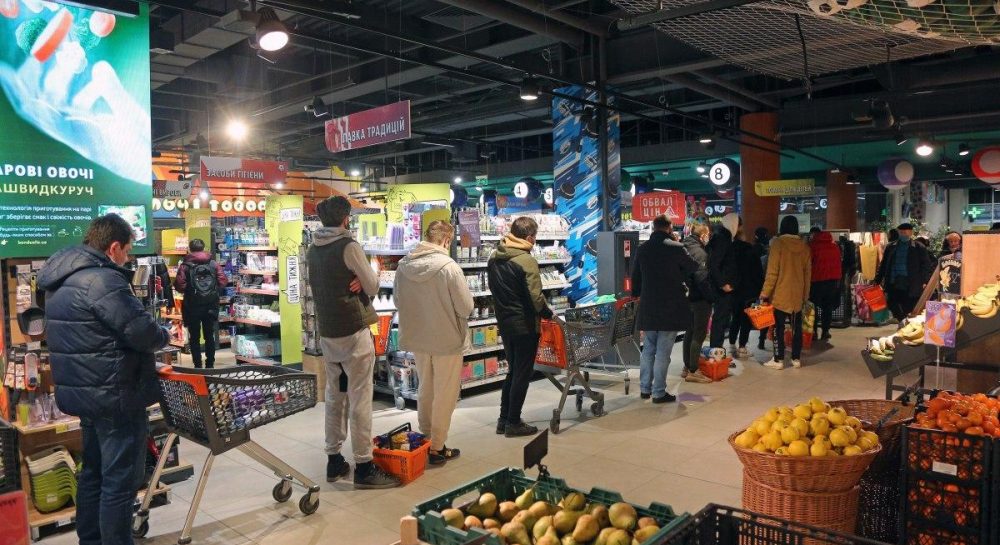
The Psychology of Queuing: Why We Let Others Go First in Chornomorsk Supermarkets
Psychologists explain that the habit of letting people with one item go first in a queue indicates high empathy and the ability to notice the needs of others.
 🚨Events
Tajikistan officially withdraws from the International Criminal Court during Putin's visit
Tajikistan terminated its membership in the Rome Statute on the day of the Russian leader's visit, making it impossible to execute his arrest warrant.
 🚨Events
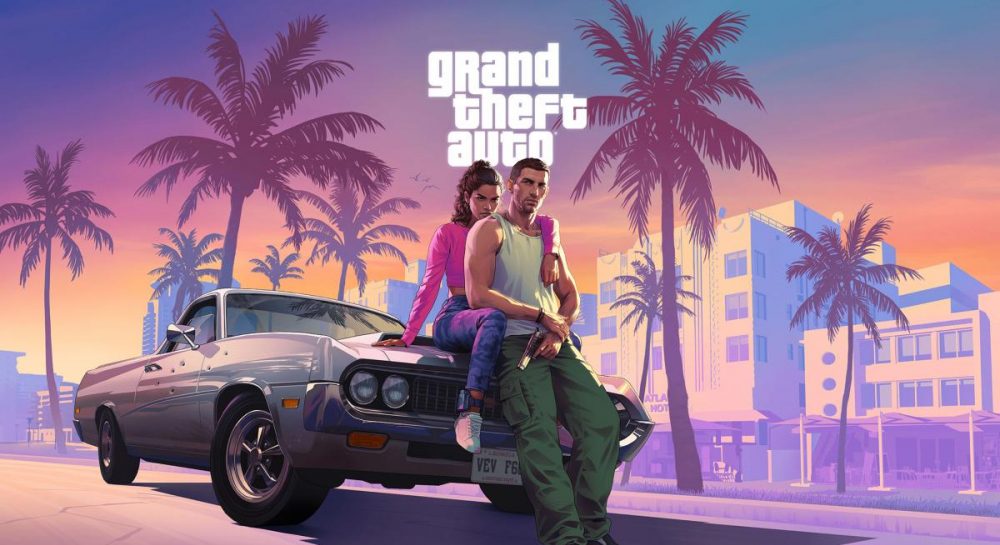
GTA 6 File Leak: Hacker Releases Executable File for Xbox
A hacker known as Cyberleek has released the .exe file for the Xbox Series X/S version of GTA 6, prompting enthusiasts to attempt a PC port.
 🛡️Security
Ukraine expects Swedish Gripen fighters: details from the President
President Volodymyr Zelenskyy announced the arrival of Swedish multi-role Gripen fighters in Ukraine early in 2025.